
Graduate Student Research Support

Supporting Graduate Research in African Contexts

IRIA supports graduate students undertaking thesis- and dissertation-level research in Africa by providing structured academic, institutional, and field-based assistance. The program is designed for Master’s and doctoral candidates whose research requires ethical approval, local institutional affiliation, community engagement, and reliable data collection within African settings.

• Site access facilitation
• Local research coordination
• Institutional approvals

• Survey administration support
• Community engagement
• Data validation guidance

•Linkage with host universities, hospitals, and research centers
• Local expert consultation
• Research supervision coordination

Research Areas

IRIA supports graduate research across interdisciplinary health, development, and policy domains, including but not limited to:

Public Health

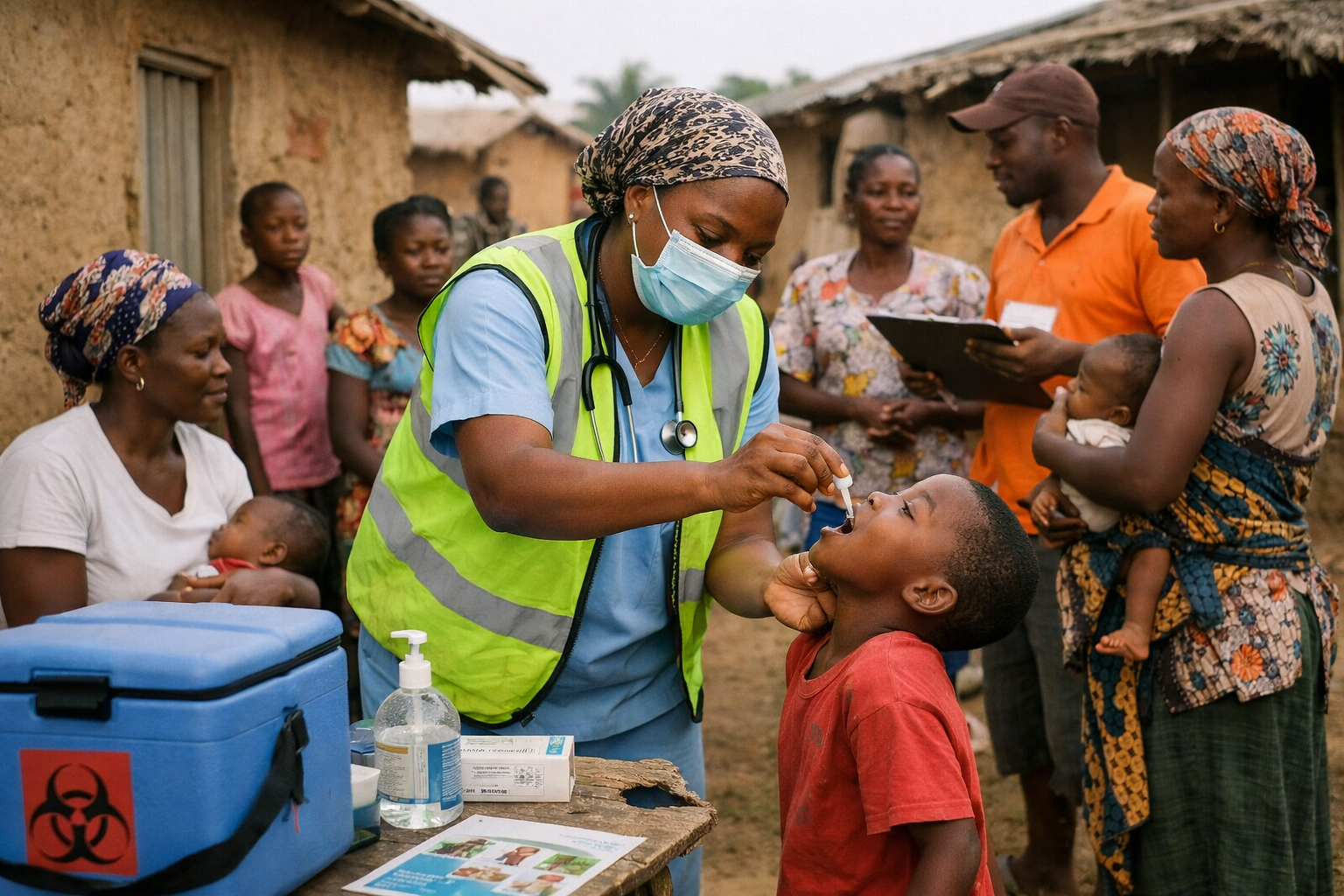
Applied public health research addressing disease prevention, health access, and population-level outcomes in African communities.

Tropical Medicine

Research focused on malaria, HIV, respiratory infections, diarrheal diseases, and emerging infectious threats in tropical Africa.

Health Systems Research

Strengthening health systems through research on policy, financing, governance, data systems, and service delivery.
Community Development

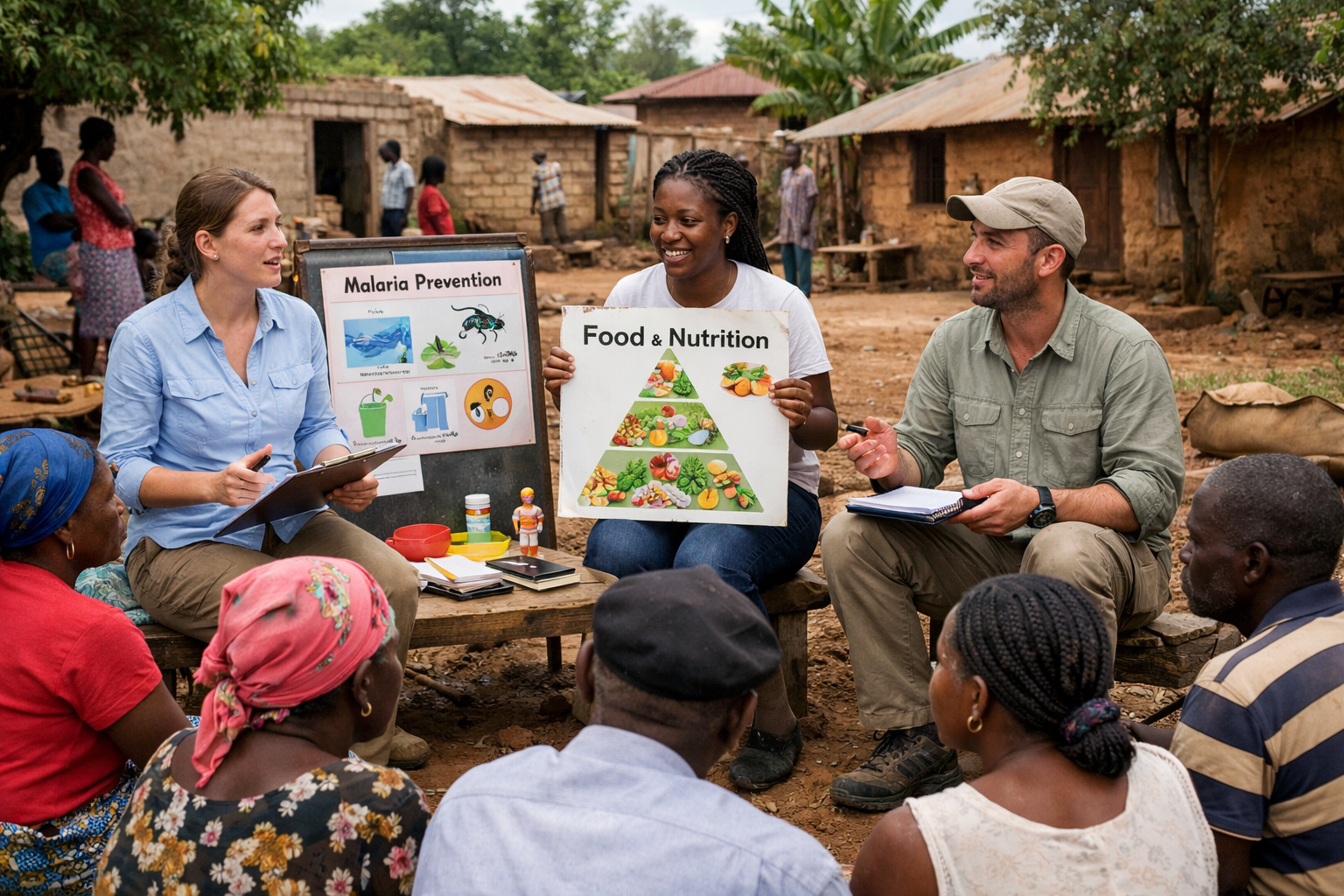
International student exchange: we facilitate international cross cultural student exchange programs in selected African countries.

Innovation & Policy Research

Translating research evidence into practical innovations and policies that improve health outcomes and system performance.

Research Ethics and Institutional Compliance

All graduate research supported by IRIA adheres to internationally recognized ethical research standards, including institutional review board (IRB) or ethics committee approvals, host-country regulatory requirements, and community engagement protocols. Emphasis is placed on responsible data practices, informed consent, equitable collaboration, and respect for local knowledge systems.

Preparing for Graduate-Level Research in Africa?